Serving Eagle Pass, TX and surrounding areas. (830) 213-7411
Leaning fence posts, cracked walls, shifting structures - these problems almost always start underground. We install footings sized for South Texas clay soil so whatever you are building stays put.
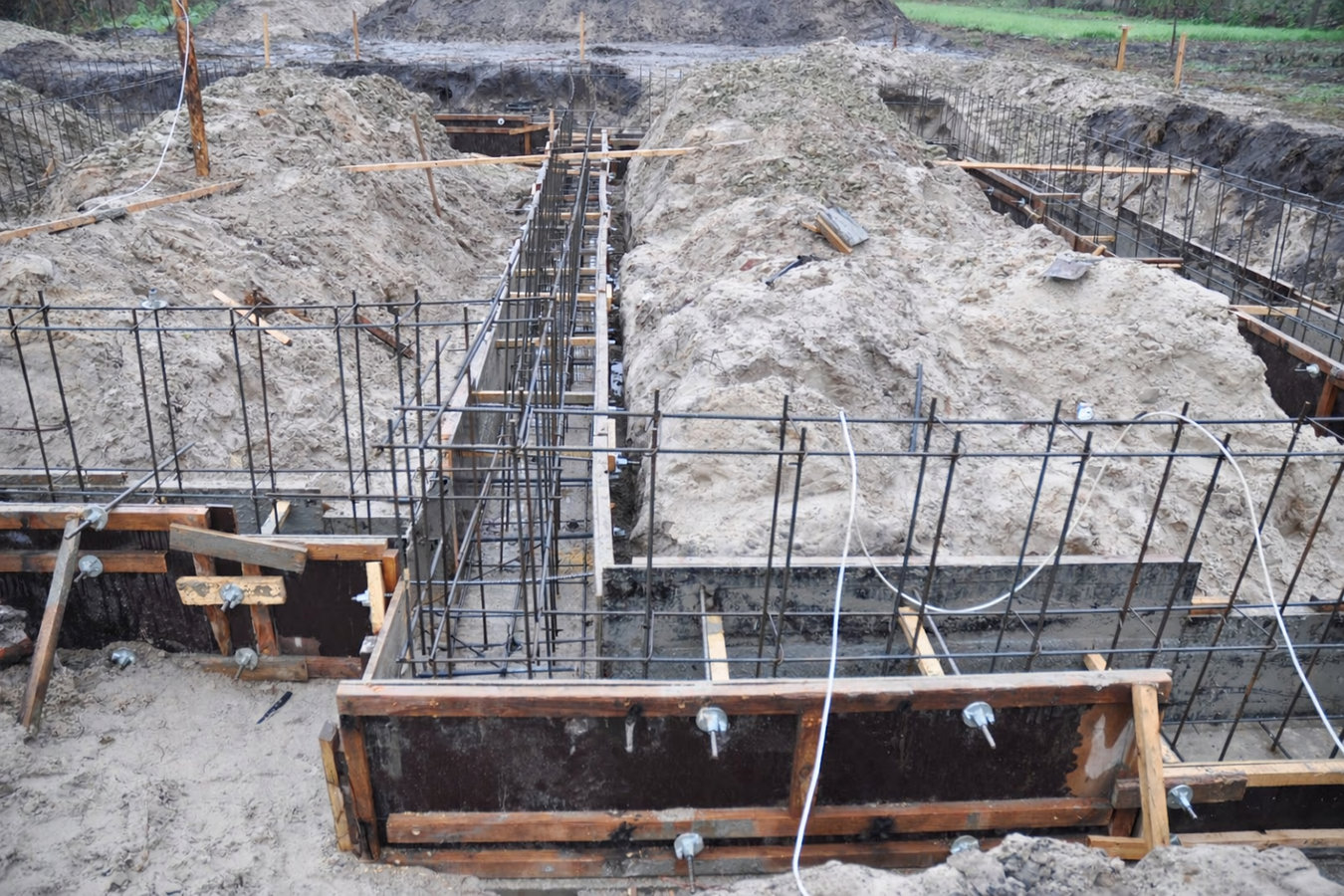
Concrete footings in Eagle Pass are the underground concrete base that holds up a structure - a fence, a deck, a retaining wall, or a room addition. They spread the load across stable soil so the structure above stays level. Most residential footing jobs take one to a few days of work, not counting curing time.
The Eagle Pass area sits on expansive clay soils that swell and shrink with every wet and dry cycle. That movement is the leading cause of leaning fences, cracked slabs, and shifting structures in this region. A footing that is the right size and depth for this soil - and properly reinforced with steel - does not move with the ground. One that is underbuilt will.
If your project involves a full perimeter base for a new structure, our foundation installation service handles that scope. Individual footings - for posts, piers, and wall sections - are what we cover here.
Leaning fence posts in Eagle Pass are almost always a footing problem. The clay soil swells and shrinks with the seasons and pushes undersized footings out of position. Packing more soil around the base is a temporary fix - proper footings are the permanent one.
Diagonal cracks running from the corners of doors or windows, or cracks spreading across a concrete slab, often trace back to footing movement below. The crack is the symptom. The footing is usually the cause, especially in South Texas homes on active clay soils.
When a footing shifts, the structure above shifts with it. Doors that suddenly stick, drag, or refuse to latch are often the first sign of a footing problem. If there is no plumbing or humidity explanation, it is worth having the footings assessed.
Any new structure carrying significant weight needs properly engineered footings before framing begins. Skipping or undersizing this step is the most common reason new additions develop problems within a few years of construction.
We dig to the depth the soil and structure require, place steel reinforcement according to the plan, and pour concrete at the right consistency - protected from the South Texas heat so it cures to full strength. We also pull the required building permit and coordinate the city inspection of the excavation before the pour. That inspection is your assurance the work was done correctly before it gets buried.
Whether you are repairing failed footings under an existing fence or laying the base for a new structure, the process is the same: the right depth, the right reinforcement, and proper curing. If the project also requires a foundation raising alongside the new footings, we can address both in one visit.
Suits homeowners replacing leaning posts or installing new fencing who want footings that hold through Eagle Pass clay-soil movement.
Suits covered patios, wood decks, and pergolas that need properly sized pier footings before framing begins.
Suits retaining walls of any height where the base footing must handle both soil pressure and the weight of the wall above.
Suits homeowners adding a bedroom, garage, or other structure where new footings must tie into the existing foundation.
Suits existing structures where a failed or undersized footing is causing visible movement in the structure above.
Eagle Pass and Maverick County sit on clay-dominant soils that move with the seasons. During wet periods the clay swells, during dry stretches it contracts sharply. That cycle repeats every year, and over time it will expose any weakness in a footing that was not built for it. Footings here need to reach stable soil below the most active zone near the surface, and they need steel reinforcement to handle the lateral forces the clay exerts as it moves.
We work across the Eagle Pass area and the broader South Texas region, including Crystal City and Carrizo Springs. The soil conditions in this region are consistent, and our crews approach every job knowing what the ground is going to do before we even dig.
Describe what you are building or the problem you are seeing. We will ask about the structure, the site, and any existing conditions. For most projects we will want to visit before giving you a final number.
We assess the soil, measure the area, and determine the required footing depth and dimensions. We also check for underground utilities - in Texas, that means calling 811 before any excavation begins.
We submit the permit application and schedule the city inspection of the excavation. The inspector confirms depth and reinforcement before the pour - this is the step that protects you as the property owner.
We schedule the pour for early morning in summer, place and consolidate the concrete, and protect it from direct sun during curing. Once the footings have cured - typically a week before framing - we confirm they are ready and hand off to the next step.
We pull permits, handle inspections, and protect every pour from the heat. Licensed, insured, and local since 2018.
(830) 213-7411We do not use a single standard depth for every job. Footing depth in Eagle Pass depends on the active zone of the clay soil on your specific site. We assess conditions firsthand and dig to reach the stable layer below the seasonal movement zone.
Concrete is strong in compression but cracks under bending or tension. In soil that moves seasonally, that matters. We include steel reinforcing bars in every structural footing as standard practice, not an upgrade - because the soil here demands it.
We pull the permit and schedule the city inspection before every pour. Permitted work gets reviewed and documented, which protects you now and when you sell. You can verify our Texas state contractor license online before signing anything.
A footing poured incorrectly in Eagle Pass summer heat can lose significant strength before it even sets. We use early-morning scheduling, direct-sun shading, and curing compounds on every summer job - the same methods recommended by the American Concrete Institute for hot-weather conditions.
A footing done right is invisible forever. A footing done wrong shows up in the structure above it within a few years. Our goal is simple - make sure yours is the kind you never have to think about again.
When existing footings or a foundation have already shifted, raising and re-leveling addresses the structural movement before it causes further damage.
Learn MoreFull perimeter and slab foundations for new structures where individual footings alone are not the right solution.
Learn MoreClay soils do not get more forgiving over time. A properly built footing now protects everything above it for decades. Call us or submit a free estimate request today.